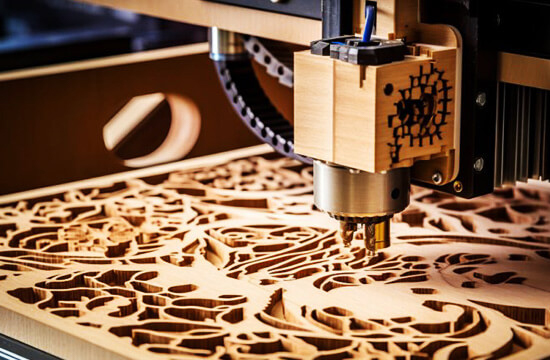
Most homes and small offices face the same storage struggles. Shelves are full, drawers jam, and things slide around or go missing. It feels like you keep buying boxes and racks, yet nothing truly fits your space. Smart CNC fabrication cabinetry offers a clear and simple fix. CNC, or Computer Numerical Control, uses computers to guide cutting tools. This means each panel, shelf, and joint is made to the exact size from a digital plan. The result is storage that fits your room, your items, and your daily habits. In this blog, we will look at seven common storage headaches and how smart CNC cabinetry can solve them in easy, practical ways you can picture in your own space at home.
Overstuffed Kitchen Cabinets With No Clear Order
Kitchen cabinets often turn into deep, dark boxes. Items hide behind each other, and you end up buying extra bags of rice or sugar because you cannot see what you already have. Smart CNC cabinetry can turn those random spaces into clear, organized zones that match the way you cook and store food. Because the parts are cut from a digital plan, the cabinet maker can use exact measurements from your kitchen, not rough guesses. This lets them set shelf spacing so that bottles stand upright, pots stack safely, and plates slide out without knocking into the shelf above.
With CNC design, you can include helpful features such as:
Full-extension drawers so items do not hide at the back
Adjustable shelf holes set at even, repeatable distances
Built-in dividers for lids, trays, and cutting boards
The machine drills holes and cuts edges in the same spots every time, based on the code it follows. This helps each cabinet stay square and strong, even when filled with heavy dishes, and makes your kitchen feel calmer and easier to use.
Awkward Corner Spaces That Never Get Used
Corner spaces create some of the most annoying gaps in a room. Standard cabinets often leave big, hard-to-reach empty areas there. You know something is in that corner, but you have to kneel or stretch to find it. Smart CNC fabrication lets the designer plan special parts just for these tricky spots instead of leaving them wasted. The computer model can include curved shelves, L-shaped pull-out trays, or turntables that spin so items come to you.
Key technical tricks that help corners work better include:
Nested cutting layouts to form curved or angled shelves from one board
Hinge holes are placed at accurate angles so doors open without rubbing
Consistent hole spacing for corner turning hardware and brackets
Because the CNC router follows a digital path, it can cut smooth arcs and tight angles that are hard to do by hand with a saw. The result is easier access to the corner without bending or twisting. You gain useful storage in the same floor area, instead of a dark “lost zone” that only collects dust and old jars.
Heavy Items Stacked In Unsafe, Shaky Piles
Big pots, toolboxes, paint cans, and bulk food tubs often end up stacked on top of each other. This makes unstable piles that can tip or fall when you pull one out. Smart CNC cabinetry gives each heavy item its own strong platform instead of a random spot on the floor. The machine can cut thicker side panels and extra support ribs from strong sheet material like 18 mm plywood or dense MDF. Slots and dado grooves are milled along the panel so shelves slide into them and lock in place, instead of only resting on small metal pins.
Useful design choices for heavy loads include:
18 mm or thicker boards for main panels and shelves
Shelf spans are planned, so they do not bow under the expected weight
Extra screw holes drilled at even spacing to hold metal brackets
Because the CNC machine repeats the same moves within a small error range, often around a tenth of a millimeter, each joint fits snugly. This tight fit spreads the weight across the whole cabinet frame. That lowers the risk of shelves sagging or failing when you store heavy boxes, giving you safer storage for the items you do not want falling on toes or tools.
Small Parts And Tools Are Always Going Missing
Screws, drill bits, sewing threads, craft beads, and other tiny pieces love to roll away and vanish. Open shelves and big empty drawers do not control them well. CNC fabrication makes it easy to add custom inserts that fit inside drawers and doors, so each small item has a “home.” Using a digital design, the shop can route shallow pockets, slots, and holes that match the size of your most used parts and tools.
Smart features that help small items stay sorted:
Grid patterns of small square or round pockets for loose parts
Angled slots for hand tools, drivers, or scissors
Labeled front panels made with simple engraved text or symbols
Because the pockets are milled from a single sheet, there are no loose trays that slide around when you open or close the drawer. The same computer file can be used again later if you want another insert in a second drawer. This keeps small items visible, easy to grab, and much less likely to spill across the floor the moment you pull a drawer open in a hurry.
Office Files Spreading Across Every Flat Surface
Paper, folders, and binders can quickly cover desks, side tables, and even spare chairs. Standard ready-made cabinets often do not match the size of your files or the layout of your room. With CNC cabinetry, storage for paper can be built to match your filing style and the space you have. Deep drawers can be cut to accept metal rails for hanging files, while open shelves can be sized for binders to stand upright without wasted space above them.
Helpful details that support file storage:
Precise grooves routed to hold hanging file rails in line
Shelf heights set to common paper sizes, like A4 or letter
Cable holes drilled for printers, routers, and laptop chargers
Since the design lives as a digital drawing, changes are easy to make on screen before any material is cut. You can choose how many drawers you want, which side holds open shelves, and where to add a slide-out printer tray. The CNC machine then cuts every piece to match that plan, so your office gains clear, tidy storage instead of yet another random stack of papers.
Garage Clutter Reducing Floor And Walking Space
Garages often act as a mix of tool shed, sports locker, and long-term storage room. Without good cabinets, items end up piled on the floor, leaving little room to walk or park. Smart CNC cabinetry can turn those bare walls into strong storage zones that lift clutter off the ground. Tall units can be fixed into wall studs, with doors that close to keep dust and dirt off your gear.
Good garage cabinet design often includes:
Back panels with pre-drilled holes to line up with stud spacing
Vent slots cut for air flow near paints or chemicals
Adjustable shelf holes so you can store both tall and short items
Many CNC shops also use moisture-resistant boards and edge banding, which helps cabinets handle changing garage humidity. The machine cuts a groove for the back panel so it fits tightly, which helps the whole cabinet resist twisting when loaded. With gear stored on the wall instead of the floor, you gain clear paths, safer walking space, and a garage that feels much more under control.
Future Changes in Layout Feeling Too Risky
Many people avoid new cabinets because they worry their needs will change. They fear a fixed layout that they cannot adjust later. This is where the repeatable nature of CNC work helps a lot. Since every hole, slot, and edge comes from a digital file, the system can be planned from the start for easy future changes. Rows of evenly spaced shelf holes let you move shelves up and down. Standard hole patterns for drawer slides mean you can add or move drawers later in spaces that first held doors or open shelves.
Smart choices that keep layouts flexible:
Using common hardware spacing standards, such as 32 mm hole systems
Designing tall cabinets as stackable modules instead of one huge box
Saving the original design file so new parts match the old ones
Because the data is stored, the same shop can cut replacement or extra parts years later. Your storage can grow or shift with your life, your family, or your work, instead of locking you into one fixed layout that stops fitting your needs.
Conclusion
Radiant Surface Concepts can help turn these ideas into real storage that fits your rooms and your daily life. As a maker of CNC fabrication cabinetry, the company can work from detailed digital plans to build strong, accurate cabinets for kitchens, offices, garages, and more. By using smart layouts, sturdy materials, and repeatable machine cuts, Radiant Surface Concepts can create storage that feels simple to use every day, while keeping your home or workspace tidy and easy to move through.